
The digital world has changed the way people connect, share, and discover information. Social media is no longer just a space for entertainment or chatting with friends—it has become a global stage for brands, businesses, and entrepreneurs.
Today, a single trending post can elevate a brand overnight, while a poor online reputation can harm even the strongest companies. This reality has made social media marketing one of the most powerful tools for building credibility, reaching audiences, and driving growth.
What sets social media marketing apart from traditional marketing is its interactive nature. Instead of passively watching TV ads or reading print campaigns, customers on social media actively like, comment, share, and message brands. This two-way communication creates trust, improves engagement, and makes customers feel like part of a community rather than just buyers.
What is Social Media Marketing (SMM)?
Definition:
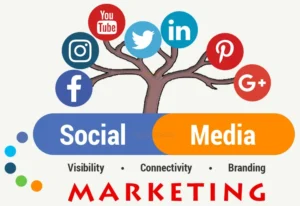
Social media marketing (SMM) is the practice of using online platforms like Facebook, Instagram, YouTube, LinkedIn, Pinterest, TikTok, and Twitter (X) to promote products, showcase services, and connect with audiences in a meaningful way. It blends creativity with strategy, combining content creation, targeted advertising, influencer partnerships, and customer engagement to achieve business objectives.
A startup skincare brand might use TikTok challenges to showcase product results, while a real estate company could post YouTube virtual tours to attract potential property buyers. Similarly, a restaurant can run geo-targeted Facebook ads to bring in local customers. Ultimately, social media marketing (SMM) is about more than just visibility—it is about building trust, sparking conversations, and transforming social interactions into loyal relationships and measurable business growth.
Core Objectives of Social Media Marketing (SMM)
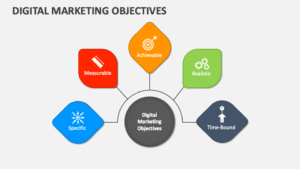
Social media marketing goes far beyond routine posts or advertisements. It is about shaping a strong digital presence where businesses and audiences exchange value, foster relationships, and grow together. The objectives of social media marketing highlight how brands can build influence and achieve sustainable success.
-
Creating Brand Visibility
The foundation of SMM lies in making a brand recognizable. By regularly sharing appealing stories, visuals, and campaigns, companies secure attention in competitive markets. Effective visibility ensures that when customers are ready to buy, the brand becomes their first choice.
-
Driving Meaningful Engagement

Recognition alone is not sufficient—brands must spark conversations. Through interactive formats such as polls, contests, reels, and live sessions, businesses invite audiences to participate actively. This interaction builds confidence, nurtures relationships, and turns passive viewers into enthusiastic supporters.
-
Capturing Potential Leads
Social platforms act as gateways for discovering new prospects. By offering incentives like free resources, trial offers, or exclusive deals, businesses can convert interest into qualified leads. Each engagement opportunity opens doors for future sales.
-
Directing Traffic to Websites

An essential goal of SMM is channeling users toward a brand’s main digital hub. Redirecting audiences from social content to blogs, landing pages, or product sites boosts visibility, enhances authority, and supports SEO rankings.
-
Boosting Conversions and Revenue
With integrated e-commerce options, social platforms have reduced the steps between discovery and purchase. Customers can complete transactions in seconds, turning brand exposure into direct revenue streams.
-
Strengthening Customer Loyalty

SMM is equally focused on maintaining existing relationships. By offering consistent value—through updates, tailored offers, and engaging content—brands retain customers, reduce drop-offs, and encourage repeat buying behavior.
-
Nurturing Online Communities
One of the most powerful outcomes of social media marketing is the ability to build communities. Dedicated groups, forums, or brand-centered spaces allow like-minded people to interact, share, and support each other while strengthening their bond with the brand. Such communities transform satisfied customers into long-term brand advocates.
Key Features of Social Media Marketing (SMM)
Social Media Marketing has revolutionized the way businesses connect with audiences, offering unique advantages that make it more effective than traditional marketing methods. Below are the standout features that define SMM:
-
Unmatched Global Reach

Social platforms like Facebook, Instagram, LinkedIn, and YouTube bring together billions of users worldwide. Whether it’s a neighborhood business or an international corporation, SMM makes it possible to showcase products and services to audiences across borders with ease.
-
Advanced Targeting Capabilities
One of the strongest advantages of SMM is its precision in targeting. Brands can tailor campaigns based on factors such as age, gender, occupation, interests, location, or even browsing patterns. This ensures the right audience sees the message, reducing waste and improving efficiency.
-
Instant Two-Way Communication

Unlike traditional marketing, social media provides a space for real-time dialogue. Customers can respond instantly through likes, comments, shares, or direct messages, while businesses can engage immediately, strengthening relationships and building trust.
-
Data-Driven Insights
Social media platforms offer detailed analytics that measure campaign performance. Metrics like impressions, reach, engagement rate, CTR (Click-Through Rate), conversions, and ROI help businesses evaluate effectiveness and make informed decisions for future campaigns.
-
Budget-Friendly Marketing
Compared to TV, print, or outdoor ads, SMM is much more cost-effective. Even with a modest budget, small businesses can run campaigns that deliver impressive results, while larger companies can scale globally at a fraction of traditional costs.
-
Diverse Content Formats

Social media supports a wide spectrum of content, including videos, reels, carousels, infographics, live streams, podcasts, and blogs. This flexibility allows brands to experiment with creative approaches and discover what resonates best with their audience.
-
Potential for Virality
SMM thrives on shareable content. A creative post, trending reel, or engaging video can spread rapidly, reaching thousands—or even millions—organically, giving brands massive exposure without extra cost.
-
Strong Community Building
Brands can nurture online communities by creating groups, forums, and dedicated fan pages. These spaces encourage discussions, feedback, and shared experiences, creating deeper bonds and long-lasting loyalty.
-
Personalized User Experience
With the help of AI and predictive algorithms, social platforms now deliver highly customized ads and content. Users see messages tailored to their interests, ensuring businesses connect with them at the right moment with maximum relevance.
Popular Social Media Platforms for Marketing
Each social media network carries its own personality, audience profile, and marketing potential. Choosing the right platform depends on your business objectives, target audience, and the type of content you wish to share. Here are some of the most effective platforms for digital marketing:
-
Facebook
As the largest social media network globally, Facebook continues to be a powerhouse for brand visibility, audience interaction, and digital promotions. In social media marketing, tools such as Business Pages, Groups, Ads Manager, Marketplace, and Messenger campaigns provide businesses with versatile ways to connect with their audiences. Its strengths lie in being suitable for almost every type of business, thanks to its extensive user base and powerful features like precise targeting, custom audience creation, and remarketing options. For instance, a local bakery can run geo-targeted “Order Now” ads within a 3 km radius to boost takeaway and delivery orders through effective social media marketing.
-
Instagram
Instagram thrives on visually captivating content, making it an ideal platform for lifestyle, fashion, travel, food, and creative industries. In social media marketing, tools such as Reels, Stories, Shopping, Live Sessions, and Highlights offer businesses dynamic ways to showcase products and engage with audiences. Its strengths lie in influencer collaborations, trend-driven campaigns, and storytelling that emotionally connects with followers. For example, a skincare brand can partner with influencers to showcase new products through Reels, generating excitement and driving sales through effective social media marketing.
-
Twitter (X)

Twitter (now X) is designed for fast-paced updates, instant interactions, and real-time engagement, making it especially effective for brands that rely on immediacy. In social media marketing, tools such as hashtags, polls, mentions, promoted tweets, and ad campaigns enable businesses to connect with audiences quickly and directly. Its strengths make it ideal for industries that demand immediate communication, including news outlets, airlines, sports, and entertainment. For example, an airline can use Twitter to promptly respond to customer queries and flight issues, improving customer satisfaction and strengthening trust through effective social media marketing.
-
LinkedIn
LinkedIn serves as the leading professional network for B2B marketing, networking, and thought leadership. With tools such as Company Pages, Articles, LinkedIn Ads, Job Listings, and LinkedIn Live, it enables businesses to build authority and connect with decision-makers. Its strengths lie in B2B lead generation, professional branding, and establishing credibility within an industry. For example, a consulting firm can share case studies and expert insights to attract corporate clients while strengthening its reputation and trustworthiness.
-
YouTube
YouTube, the world’s second-largest search engine, dominates video marketing by offering a powerful blend of educational, entertaining, and product-focused content. With tools such as video ads, tutorials, product reviews, and influencer collaborations, it provides brands with versatile opportunities to reach and engage audiences. Its strengths lie in long-form content, product demonstrations, tutorials, and informational videos that not only educate but also drive conversions. For instance, a tech company might share detailed unboxing and review videos to help potential buyers make informed and confident purchase decisions.
-
TikTok

TikTok is built for short-form, engaging, and viral video content, making it especially appealing to younger audiences. With tools such as TikTok Ads, Challenges, Duets, and Creator Partnerships, it provides brands with innovative ways to spark participation and creativity. Its key strength lies in the enormous viral potential created through trend-based videos and interactive user involvement. For example, a fitness brand might launch a dance challenge to promote its energy drink, encouraging user-generated content that spreads virally and significantly boosts brand exposure.
-
Pinterest
Pinterest functions as a visual discovery and inspiration platform, making it especially effective for industries such as fashion, home décor, culinary arts, and event planning. In social media marketing, tools like Pinboards, Rich Pins, Shoppable Pins, and Visual Search allow businesses to showcase ideas and products in a visually appealing way. One of Pinterest’s biggest strengths is its ability to support evergreen content, as pins remain discoverable and relevant for months or even years. For example, an event planner might create boards featuring wedding decoration ideas, thereby attracting couples in search of creative inspiration and boosting brand visibility through social media marketing.
Advantages of Social Media Marketing (SMM)
Social Media Marketing has become an essential strategy for businesses seeking growth and engagement in today’s digital landscape. Its benefits extend beyond simple online presence:
-
Worldwide Visibility –

Social platforms like Facebook, Instagram, and YouTube enable brands to connect with millions of users globally. For instance, a handicraft business in Kerala can reach buyers in Europe or the USA through targeted Instagram campaigns.
-
Enhanced Customer Engagement –
Unlike traditional advertising, social media allows direct interaction. Customers can comment, share, and message brands, creating stronger relationships. For example, a skincare brand replying promptly to user queries on Instagram enhances trust and loyalty.
-
Highly Targeted Reach –
Social media enables precise audience segmentation based on interests, location, demographics, and online behavior. A fitness apparel brand, for example, can target 18–35-year-old workout enthusiasts to ensure ads reach the most relevant users.
-
Boosted Search Engine Performance –
Active social engagement improves brand recognition online and strengthens search engine visibility. Shares, mentions, and user interactions indirectly increase website rankings and organic reach.
-
Higher Conversions and Revenue –

With built-in call-to-action options such as “Shop Now” or “Sign Up,” social media helps turn engagement into sales. Food delivery apps like Swiggy and Zomato use Instagram ads with direct order buttons to convert followers into buyers instantly.
-
Cost-Efficient Marketing –
Compared to conventional advertising mediums like television or print, social media campaigns are budget-friendly. Even businesses with limited funds can reach large audiences—for example, a café spending ₹500 on Facebook ads can attract hundreds of local customers.
-
Strengthened Brand Loyalty –
Regular posting, interactive content, and prompt responses build trust and foster long-term customer relationships. Consistent engagement ensures customers feel valued and connected to the brand.
-
Real-Time Insights –

Platforms like Facebook Insights and Instagram Analytics provide immediate data on engagement, reach, clicks, and conversions. Brands can analyze performance instantly and adjust strategies for better outcomes.
-
Diverse Content Possibilities –
Social media supports multiple formats including short videos, reels, stories, live sessions, infographics, blogs, memes, and podcasts. This variety allows brands to experiment and determine which formats resonate best with their audience.
Disadvantages of Social Media Marketing (SMM)
While SMM delivers significant advantages, it also comes with potential challenges:
-
High Competition –

With millions of brands competing for attention, standing out can be difficult. A new fashion label may struggle to attract followers without unique campaigns.
-
Time-Consuming Efforts –
Maintaining an effective social media presence requires continuous content creation, engagement, and ad management. Many businesses hire dedicated social media managers to sustain activity.
-
Risk of Negative Publicity –
Negative feedback, complaints, or viral criticism can quickly harm a brand’s reputation. A single controversial post or customer complaint may spread widely, impacting trust.
-
Frequent Algorithm Updates –

Social media platforms constantly modify their algorithms, which can affect organic reach. Strategies that work today may fail tomorrow, requiring brands to stay adaptive.
-
Dependence on Paid Promotions –
With declining organic visibility, brands often need to invest in paid advertising to reach a larger audience. For instance, Facebook posts without promotion may reach only a small fraction of followers.
-
Fake or Misleading Engagement –
Bots, fake followers, and purchased likes may inflate metrics but damage authenticity. Consumers prefer genuine interactions, so artificial engagement can backfire.
-
Privacy and Security Risks –

Growing concerns over data protection mean brands must handle customer information carefully. Mismanagement, spammy messages, or security breaches can erode trust and damage credibility.
Proven Social Media Marketing Strategies for 2025
To achieve remarkable results in 2025, Social Media Marketing requires a strategic, data-driven, and creative approach. Here are the most effective tactics for success:
-
Define Specific Objectives –
Start with clearly outlined goals. Are you aiming to boost brand visibility, drive traffic, generate leads, or increase sales? For example, a new café in Kochi might focus on growing awareness and engagement first, while an e-commerce store may prioritize direct sales and conversions.
-
Know Your Audience Inside-Out –
Understanding your target market is essential. Analyze demographics, preferences, habits, and purchasing behaviors. A fitness brand, for instance, should target health-conscious millennials and gym enthusiasts rather than adopting a broad, generic approach.
-
Build a Diverse Content Plan –

Content is the backbone of SMM. Mix educational posts (infographics, blogs), entertaining content (memes, short videos), and promotional materials (product launches, offers) to maintain follower interest while avoiding excessive advertising.
-
Focus on Short-Form Videos –
Video content continues to dominate in 2025. Platforms like Instagram Reels, YouTube Shorts, and TikTok allow brands to grab attention quickly. A travel agency could post “Top 5 Hidden Spots in Bali” reels to instantly engage viewers.
-
Leverage Influencer Partnerships –
Influencer marketing remains powerful but now emphasizes niche influencers with engaged audiences. For example, a skincare brand might collaborate with a micro-influencer with 20k dedicated followers instead of a celebrity with millions but lower engagement.
-
Implement Paid Campaigns Wisely –

Organic reach is decreasing, so paid campaigns are necessary for growth. Start small, test different creatives, and invest in the ads delivering the best results. For instance, an apparel brand could trial multiple Facebook ad versions and scale the top performer.
-
Foster Active Engagement –
Posting content isn’t enough; meaningful interaction is crucial. Reply to comments, DMs, and reviews promptly. Active engagement nurtures trust, strengthens relationships, and turns followers into loyal advocates.
-
Track and Analyze Key Metrics –
Measure campaign performance with metrics like engagement rate, click-through rate (CTR), conversions, follower growth, and ROI. For example, clicks without sales may indicate a need to optimize landing pages or call-to-action strategies.
-
Leverage Current Trends –

Social media thrives on viral challenges, trending topics, and popular content, making it essential for brands to stay relevant and participate actively. Using trending hashtags, seasonal campaigns, or popular memes can significantly increase visibility. For example, joining a trending TikTok challenge with a product feature can drive rapid brand exposure.
-
Utilize Automation and AI Tools –
Scheduling platforms like Buffer, Hootsuite, and AI-powered chatbots streamline posting and customer interaction. AI analytics also help predict user behavior, refine targeting, and make campaigns more efficient.
The Future of Social Media Marketing

The world of Social Media Marketing (SMM) is evolving at a rapid pace, fueled by technology, personalization, and innovative engagement methods. The following trends are shaping the future of SMM:
AI and Machine Learning –
Artificial Intelligence will play a pivotal role in targeting audiences with precision, predicting user behavior, and delivering tailored content. For instance, AI can suggest products to users based on their browsing history or previous interactions with a brand, enhancing relevance and conversions.
AR & VR Integration –

Augmented Reality (AR) and Virtual Reality (VR) will reshape online experiences. Virtual try-ons for clothing, 3D previews of furniture, or immersive virtual tours will make shopping and brand interactions more interactive and engaging.
Social Commerce Growth –
Social platforms are increasingly merging with e-commerce. Features like Instagram Checkout, Facebook Shops, and TikTok Shop allow users to make purchases directly within apps, simplifying the buyer journey and boosting sales.
Voice Search Adaptation –

As voice assistants like Alexa, Siri, and Google Assistant gain popularity, optimizing content for conversational queries becomes essential. Brands must adjust their keywords to match natural speech, for example, “top vegan café nearby” rather than just “vegan café.”
Dominance of Short-Form Video –
Platforms like TikTok, Instagram Reels, and YouTube Shorts will continue to dominate attention spans. Quick, entertaining, and informative videos are set to remain the most effective format for engaging audiences.
Emergence of Micro-Influencers –

Brands will increasingly collaborate with micro-influencers (5k–50k followers) who have niche, highly engaged audiences. These influencers tend to inspire higher trust and interaction than larger celebrity accounts, resulting in more meaningful engagement and conversions.
User-Generated Content (UGC) –
In social media marketing, customers are becoming brand advocates by sharing reviews, testimonials, unboxing videos, and personal experiences. User-generated content (UGC) is often seen as more trustworthy than traditional advertisements. For example, a café sharing photos of happy customers enjoying meals builds authenticity and relatability in social media marketing.
Data-Driven Marketing –

Real-time analytics and performance tracking in social media marketing will continue to guide marketing decisions. From determining ad spend to selecting optimal posting schedules, data insights in social media marketing will be crucial in maximizing efficiency and ROI.
Conclusion
In the digital-first era, social media marketing is no longer optional—it has become a core strategy for business growth and visibility.
Social media marketing strengthens brand recognition, encourages meaningful engagement, and drives measurable sales.
It provides real-time insights for strategic decision-making, making social media marketing a data-driven approach.
It is cost-effective and scalable for businesses of all sizes, from small startups to global enterprises.
However, businesses must also manage challenges in social media marketing, such as fierce competition, algorithm updates, and the risk of negative publicity. Success lies in creating authentic, interactive, and audience-centric content, guided by a clear social media marketing strategy and continuous improvement.
Ultimately, social media marketing is not just about advertising—it is about crafting stories, nurturing communities, and delivering experiences that meaningfully connect people to your brand.