In today’s digital world, search engine visibility is essential. Search engine marketing (SEM) helps brands gain instant exposure, attract the right audience, and achieve measurable results. By using search engine marketing effectively, businesses can drive traffic, improve brand visibility, and boost growth. With the right search engine marketing strategies, companies can maximize ROI, capture high-quality leads, and stay ahead in a competitive digital landscape.
What is Search Engine Marketing (SEM)?
Search Engine Marketing (SEM) is a digital marketing strategy that uses paid methods to increase a website’s visibility on search engine results pages (SERPs). Whether it’s on Google, Bing, or Yahoo, search engine marketing helps businesses appear at the top of search results through sponsored ads and paid listings. In simple words, search engine marketing ensures that your business shows up right when and where your customers are searching, providing higher visibility, driving more traffic, and creating better chances of generating quality leads and sales.
SEM vs. SEO: Understanding the Difference
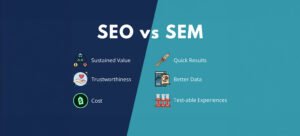
Although SEM and SEO both aim to increase search engine visibility, they differ in approach and results. SEO is an unpaid, organic method that improves rankings over time through quality content, backlinks, and website optimization. It builds long-term credibility and trust but takes months to show results. For example, a café in Kochi optimizing for “best café in Kochi” can appear naturally in search results without ads.
Search engine marketing (SEM), on the other hand, is a paid strategy using PPC campaigns on platforms like Google Ads. Search engine marketing provides instant visibility, driving traffic, leads, and sales quickly, but ends once the budget runs out. For instance, the same café can run a Google Ad for “best coffee in Kochi” to attract immediate customers. Search engine marketing is ideal for time-sensitive campaigns like product launches or promotions.
SEO + SEM: A Powerful Combination
Key Components of Search Engine Marketing (SEM)
To truly harness the power of SEM, businesses need to understand its core components. Each element plays a vital role in driving visibility, clicks, and conversions. Let’s explore them in detail:
-
Paid Search Advertising (PPC)
Often called Pay-Per-Click (PPC), this model is the core of search engine marketing (SEM). Marketers bid on relevant keywords, and ads appear on the SERP when users search for them. Businesses pay only when someone clicks, making it highly performance-driven. For example, a travel agency bidding on “cheap flight to Dubai” ensures their ad reaches interested customers instantly
-
Keyword Research
Keywords form the foundation of SEM campaigns. The right keywords decide whether your ad reaches the right audience.
Short-tail keywords (e.g., “shoes”):
- Broad and generic.
- High competition.
- Drive more traffic but with lower conversion rates.
- Long-tail keywords (e.g., “best running shoes for women under ₹2000”):
- More specific.
- Lower competition.
- Deliver fewer clicks but much higher conversion rates.
- Pro Tip: Combining both types ensures balance—wider reach plus targeted conversions.
-
Ad Creation
Your ad is often the very first impression people get of your brand on search engines, so it needs to be engaging enough to grab attention, stop users from scrolling, and motivate them to click. A well-crafted SEM ad typically includes three key elements. The headline should be attention-grabbing and keyword-rich, ensuring relevance to what the user is searching for. The description should provide a short, clear value proposition that highlights why the user should choose your brand over others. Finally, a strong CTA (Call-to-Action) should encourage immediate action with phrases like “Shop Now,” “Book a Free Demo,” or “Get 20% Off Today.”
For example, an online fitness app could structure its ad as follows:
Headline: “Get Fit at Home – Free 7-Day Trial”
Description: “Stream expert workouts anytime. Join 10,000+ users today.”
CTA: “Start Free Trial.”
-
Ad Extensions
Ad extensions enhance SEM campaigns by providing extra information beyond standard ad text, making ads more interactive and clickable. Sitelink Extensions guide users to specific website sections, Call Extensions add a clickable phone number, and Location Extensions show your store’s address. Price and Promotion Extensions highlight deals or discounts, attracting users seeking value. By adding these elements, ad extensions boost engagement and increase click-through rates (CTR).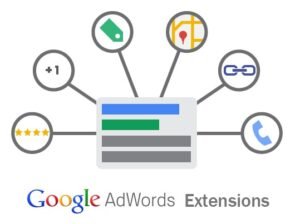
-
Landing Pages
A landing page is where users arrive after clicking an SEM ad, and it plays a key role in turning clicks into conversions. Even a strong SEM campaign can fail with a poorly designed page. A good landing page must be relevant to the ad, load quickly, be mobile-friendly, and have a clear call-to-action like “Buy Now” or “Sign Up.” For example, clicking an ad for “organic skincare cream” should take users directly to that product page, increasing the chances of conversion.
-
Bidding & Budgeting
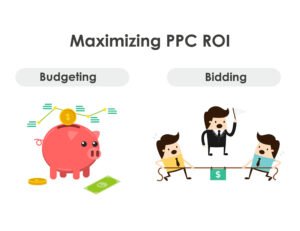
SEM uses a bidding model where advertisers pay for clicks or impressions to secure ad placement. Common strategies include CPC (pay per click), CPM (pay per 1,000 views), and CPA (pay per conversion). Platforms like Google Ads also offer Smart Bidding, using AI to optimize bids for maximum ROI. SEM’s flexibility allows businesses to start small, test strategies, and scale effectively.
-
Analytics & Tracking
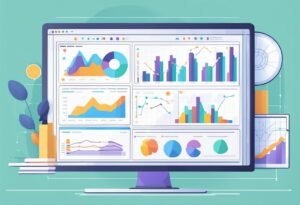
Tracking and analyzing results is crucial for SEM success. Key metrics include CTR (clicks per ad view), Conversion Rate (clicks turning into sales or leads), CPA (cost per customer acquired), and ROAS (revenue per ad spend). Using analytics, businesses can identify what works, optimize campaigns, reduce wasted spend, and maximize ROI.
Advantages of SEM
Search Engine Marketing (SEM) provides businesses with numerous benefits, especially when quick visibility and measurable results are the goal.
-
Instant Visibility
Unlike SEO, which requires time and consistent effort to show results, SEM delivers instant visibility by placing ads at the top of Google search results as soon as a campaign is launched. This makes it an ideal strategy for businesses that want immediate reach and quick results. For example, a new restaurant in Kochi could run ads targeting the keyword “best seafood near me,” ensuring that their business instantly appears in front of hungry customers actively searching in real time. This immediacy helps attract footfall and generate sales right from the start.
-
Highly Targeted Reach
-
Cost-Effective (Pay-Per-Click Model)
-
Quick Sales & Conversions
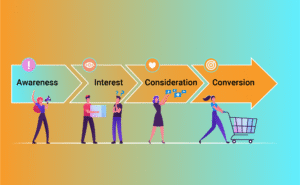
SEM is especially effective for time-sensitive promotions such as product launches, festive discounts, or limited-period offers. Since ads go live instantly and appear at the top of search results, businesses can create immediate visibility and drive quick action. For example, an e-commerce brand running special Diwali deals can see a surge in website traffic and sales within just a few hours of launching its ads. This makes SEM the perfect tool for capturing attention and maximizing conversions during short promotional windows.
-
Boosts Brand Awareness
-
Measurable & Trackable Results
One of the biggest strengths of SEM is its ability to provide real-time performance tracking. Every impression, click, and conversion can be monitored using tools like Google Ads Dashboard and Google Analytics, giving businesses complete transparency over their campaigns. Key metrics include CTR (Click-Through Rate), which shows how many people clicked after seeing the ad; Conversion Rate, which measures how many clicks turned into leads or sales; CPA (Cost Per Acquisition), which reveals how much it costs to gain a new customer; and ROAS (Return on Ad Spend), which indicates the revenue generated for every rupee or dollar spent. By analyzing this data, businesses can refine their targeting, adjust bids, improve ad creatives, and ultimately maximize ROI.
Challenges of SEM
While SEM offers powerful advantages, businesses also face some challenges:
-
High Competition & Costly Keywords

One of the biggest challenges in SEM is the high level of competition for popular keywords. Highly searched terms like “insurance,” “loans,” or “travel” often have extremely high bidding costs because big brands with large ad budgets dominate these spaces. For smaller businesses, competing against such players can be very difficult. As a result, they may either overspend to appear in search results or be forced to target less competitive keywords that may bring in fewer leads.
2. Ongoing Investment
Unlike SEO, which builds long-term visibility, SEM only works as long as you continue paying for ads. The moment you stop funding your campaigns, your ads disappear and so does your visibility. This makes SEM a recurring expense rather than a one-time investment. For sustained results, businesses need to allocate a continuous budget, which can become challenging for startups or small companies with limited marketing funds.
3. Ad Fatigue (Banner Blindness)
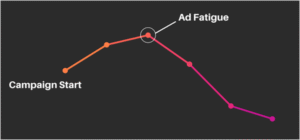
Over time, users tend to ignore ads they have seen too many times. This is known as ad fatigue or banner blindness. If the same ad creatives are repeatedly displayed, the click-through rate (CTR) starts to drop as users skip or overlook them. To prevent this, businesses must regularly refresh their ad content with new headlines, visuals, and offers to keep the audience engaged and interested.
4. Click Fraud & Invalid Clicks
Another challenge with search engine marketing (SEM) is the risk of click fraud, where competitors or automated bots intentionally click on ads to drain the advertiser’s budget. Although platforms like Google Ads use advanced systems to detect and filter fraudulent clicks, the issue cannot be completely eliminated. This results in wasted ad spend and reduced campaign efficiency, making it important for businesses to closely monitor campaign data and use fraud-detection tools to protect their search engine marketing campaigns.
5. Requires Expertise & Optimization

Running SEM campaigns effectively requires skill, strategy, and ongoing optimization. Without expertise, businesses risk wasting money on irrelevant clicks. For example, targeting a broad keyword like “shoes” may attract clicks from people looking for footwear in general, while your product might be “women’s running shoes under ₹2000.” Such irrelevant traffic does not convert into sales and only increases costs. This is why many companies hire SEM specialists or agencies to fine-tune campaigns, choose the right keywords, and maximize ROI.
Best Practices for SEM Success
To get the most out of your Search Engine Marketing (SEM) campaigns, businesses must adopt proven strategies and optimization techniques. Here are some essential best practices:
1. Perform In-Depth Keyword Research
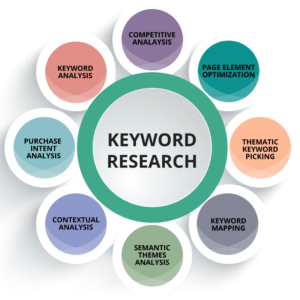
The backbone of a strong SEM campaign is thorough keyword research. Use professional tools like Google Keyword Planner, SEMrush, Ahrefs, or Ubersuggest to discover high-intent search terms that reflect what your audience is looking for. It’s wise to combine broad keywords (short-tail) for wider exposure with specific keywords (long-tail) for higher-quality leads. For example, rather than bidding on the general term “flights,” targeting “affordable flight tickets to Dubai from Kochi” can yield much better returns.
2. Write Compelling Ad Copy with Clear CTAs
Your ad text acts as your digital storefront, so it needs to stand out. Strong headlines should capture attention quickly while emphasizing your brand’s key advantage. The description line should be crisp, benefit-oriented, and persuasive. Finally, use an impactful Call-to-Action (CTA) such as “Reserve Your Spot Today,” “Grab 20% Off,” or “Start Your Free Trial” to motivate users to click. Well-written ad copy can dramatically improve click-through rates (CTR) and conversions.
3. Apply Negative Keywords to Eliminate Irrelevant Traffic

To avoid wasting your advertising budget, it’s important to add negative keywords that filter out unwanted searches. This ensures your ads are only displayed to people who are genuinely interested in your offering. For instance, a premium hotel might exclude terms like “cheap” or “low-cost” so the ads are not shown to users outside its target market.
4. Design Conversion-Focused Landing Pages
Driving traffic is only half the job—converting visitors is where success lies. Your landing pages should be fast-loading (under 3 seconds), mobile-optimized, and directly aligned with the ad promise. A clutter-free design with obvious CTA buttons such as “Join Now,” “Buy Today,” or “Book Your Table” encourages users to act immediately. For example, if someone clicks on an ad for “organic skincare cream,” they should arrive directly on the product’s page rather than being redirected to the homepage.
5. Monitor & Refine Campaign Performance

Consistent analysis is crucial to maximize ROI in search engine marketing (SEM). Platforms like Google Ads Dashboard, Google Analytics, and Tag Manager allow you to track essential metrics, including CTR, conversion rates, CPA (Cost per Acquisition), and ROAS (Return on Ad Spend). By examining this data, businesses can adjust targeting, optimize ads, or enhance landing pages. For example, if an SEM campaign is generating clicks but no sales, the CTA or on-page experience may need tweaking.
6. Test Multiple Ad Variations (A/B Testing)
Never rely on just one ad format in search engine marketing (SEM)—testing variations helps you discover what resonates most with your audience. Experiment with different headlines, body text, visuals, and CTAs to see which combination delivers the best outcomes. For example, one version of an SEM ad may perform better with the phrase “Free Delivery,” while another attracts more clicks with “Flat 20% Discount.” Regular testing in search engine marketing ensures continuous improvement and stronger campaign performance.
Future of SEM
The world of SEM is rapidly changing with technology, AI, and evolving user behaviors. The future is being shaped by the following key movements:
-
AI-Powered Advertising
Artificial Intelligence (AI) is transforming the future of search engine marketing (SEM) by automating bidding strategies, predicting consumer intent, and delivering highly personalized ads in real time. For instance, Google Ads Smart Bidding already leverages AI in search engine marketing to automatically adjust bids and maximize conversions with minimal human intervention.
2.Voice Search Optimization

With the increasing use of voice assistants like Alexa, Siri, and Google Assistant, voice search queries are becoming more natural and conversational. Instead of typing short keywords such as “Italian restaurant,” users now ask questions like “best Italian restaurant near me.” Search engine marketing (SEM) campaigns of the future will need to adapt by focusing on these long-tail, conversational search terms to capture voice-driven traffic effectively.
3.Visual Search Growth
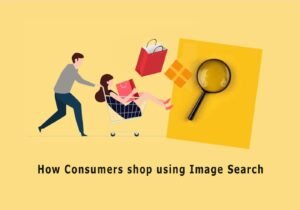
The rise of visual search tools like Google Lens and Pinterest Lens is reshaping how users find information. Instead of typing, people can snap a photo and search visually to discover products or information. This opens new opportunities for search engine marketing (SEM), where image-based advertising can directly target visual search behavior. For example, if someone photographs a handbag, search engine marketing ads for similar products can instantly appear.
4.Deeper Integration with Social Media Advertising
Search engine marketing (SEM) is no longer a standalone strategy—it is increasingly merging with social media advertising for a unified digital presence. Platforms like Meta, TikTok, and LinkedIn are being combined with Google Ads to create stronger cross-platform campaigns. This integrated search engine marketing approach ensures broader reach, consistent messaging, and more effective audience targeting.
5.More Focus on Privacy & First-Party Data
As privacy regulations tighten and third-party cookies phase out, search engine marketing (SEM) strategies will depend more on first-party data collected directly from customers. To stay competitive, businesses must focus on transparent, ethical data practices that build user trust while still delivering relevant ad experiences through search engine marketing.
6.Final Insight

In insight, the future of SEM lies in smarter research, continuous optimization, and embracing modern trends such as AI-driven automation, voice-enabled queries, visual-first search, social media integration, and privacy-focused data strategies. Companies that adapt to these changes will stay ahead in the digital advertising landscape.
Conclusion
Search engine marketing (SEM) is a data-driven strategy that gives businesses instant visibility, targeted reach, and measurable results. Unlike SEO’s long-term approach, search engine marketing provides speed, flexibility, and precision to connect with the right audience at the right time. By using smart keywords, compelling ads, optimized landing pages, and performance tracking, businesses can boost brand awareness, engagement, and conversions. Search engine marketing isn’t just running ads—it’s a strategic bridge between customer intent and business success, helping companies win in the competitive digital world.