Digital marketing is the strategic promotion of products, services, or brands through online platforms like websites, search engines, social media, email, and mobile apps. Unlike traditional methods, it uses data-driven insights and targeted strategies to reach the right audience at the right time. Key techniques include SEO, PPC, content marketing, SMM, email marketing, and influencer marketing. By blending creativity, technology, and analytics, digital marketing helps businesses boost brand awareness, engage customers, drive traffic, generate leads, and increase sales in today’s competitive digital world.
Main Features of Digital Marketing
Internet-based –
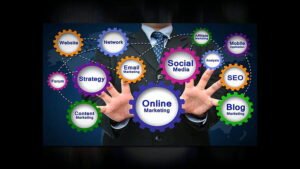
One of the most striking features of digital marketing is that it is completely internet-based. Unlike traditional marketing methods that depend on physical media such as newspapers, billboards, or television, digital marketing relies on the internet as its backbone. Whether it is a website, a social media page, or a Google advertisement, everything works through an internet connection. This makes digital marketing accessible to anyone who has a smartphone or computer, giving businesses the power to connect with millions of people within seconds.
Targeted Marketing –

Another important feature is its ability to provide targeted marketing. In traditional advertising, a single message is sent to a broad audience, hoping that at least some people will find it relevant. Digital marketing, however, allows businesses to narrow down their audience based on age, gender, interests, profession, location, and even online behavior. For example, a clothing brand can specifically target women between the ages of 20–30 living in Kochi who are interested in fashion and shopping online. This level of precision ensures that marketing efforts are not wasted and that businesses reach the customers most likely to buy from them.
Interactive –
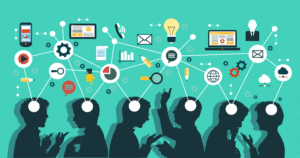
Digital marketing is also highly interactive, making it more engaging compared to traditional one-way communication channels. In digital marketing, customers are not just passive viewers but active participants who can like, comment, share, or directly message a brand. Social media campaigns, polls, quizzes, and live sessions give businesses a chance to create conversations rather than just broadcast messages. This interaction builds stronger relationships with customers and makes them feel connected to the brand through digital marketing.
Cost-effective –
One of the biggest advantages is that digital marketing is cost-effective. Advertising through TV, radio, or print requires a huge budget, which small businesses often cannot afford. On the other hand, digital platforms allow companies of all sizes to advertise with flexible budgets. A business can start with just a few hundred rupees on Facebook or Google Ads and still achieve meaningful results. This affordability makes digital marketing especially beneficial for startups and small businesses that want to compete with bigger brands.
Measurable –

Another powerful feature is that digital marketing is measurable. In traditional marketing, it is difficult to track how many people saw a billboard or acted after reading a newspaper ad. But with digital marketing, every click, view, share, and purchase can be monitored in real time using tools like Google Analytics and social media insights. This data-driven approach helps businesses understand what works, what doesn’t, and where to improve. It also allows them to calculate their return on investment (ROI) accurately.
Global Reach –
Perhaps the most exciting feature of digital marketing is its global reach. A small business in Malappuram can use digital marketing to promote its products not just to local customers but to anyone across the world. At the same time, digital marketing also allows for local targeting, ensuring that businesses can focus on nearby customers when needed. For example, a bakery can use Google My Business to attract people searching for “cake shops near me,” while an e-commerce website can sell its products internationally through SEO and paid ads.
Real-time performance and flexibility-

Digital marketing is also known for its real-time performance and flexibility. Campaigns can be launched instantly and modified at any time based on performance. If a particular ad is not bringing results, it can be stopped immediately and replaced with another. This dynamic nature saves money and ensures that businesses are always optimizing their efforts.
Availability-
Finally, digital marketing ensures 24/7 availability. Unlike a physical store that closes at night, online campaigns and websites are always active. Customers can interact with businesses, read reviews, place orders, or make inquiries at any time, from anywhere. This round-the-clock accessibility increases convenience for customers and ensures businesses never miss an opportunity to connect with potential buyers.
Different Channels of Digital Marketing
-
Search Engine Optimization (SEO)
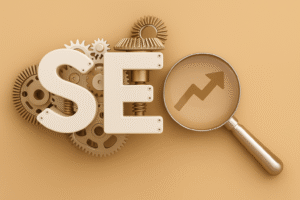
- Digital marketing is a vast field, and it includes multiple channels through which businesses can reach and engage with their customers. One of the most important channels in digital marketing is Search Engine Optimization (SEO). SEO focuses on improving a website’s visibility on search engines like Google or Bing. When a person searches for something online, SEO ensures that your website appears higher in the search results, attracting organic traffic without paying for ads. For example, if someone searches for “best bakeries in Malappuram,” an SEO-optimized bakery website has a higher chance of appearing at the top of the results. This builds trust and credibility while bringing long-term benefits to businesses through digital marketing.
-
Search Engine Marketing (SEM)
-
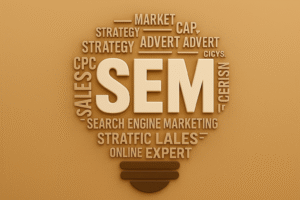
Another powerful channel in digital marketing is Search Engine Marketing (SEM), also known as pay-per-click advertising. Unlike SEO, which is free, SEM involves paid ads that appear on search engines. Businesses bid on specific keywords, and their ads are displayed to users actively searching for those terms. For instance, if you search for “buy iPhone online,” the first few results you see with the “Ad” label are SEM campaigns. This method is effective because it brings instant visibility and highly targeted traffic, although it requires continuous investment as part of a broader digital marketing strategy.
-
Social Media Marketing (SMM)
-
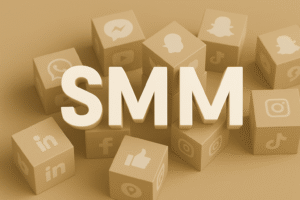
- Social Media Marketing (SMM) has also become an essential channel in today’s digital marketing world. Platforms like Facebook, Instagram, LinkedIn, and Twitter allow businesses to connect with their audiences through posts, ads, reels, and stories. Unlike traditional advertising, social media allows two-way communication, where customers can engage directly with brands by liking, commenting, and sharing content. For example, a clothing brand can launch an Instagram campaign showcasing its latest collection, encouraging users to shop instantly through a “Shop Now” button. This not only increases brand awareness but also strengthens customer relationships, making social media a vital part of digital marketing strategies.
-
Content Marketing
-

-
-
- Another vital component is Content Marketing, which focuses on creating valuable and engaging content in the form of blogs, videos, infographics, and podcasts. Instead of directly selling products, content marketing educates, entertains, and informs the audience, thereby building trust. For instance, a fitness coach may publish YouTube videos on home workouts, indirectly promoting their paid fitness program. Over time, such content positions the brand as an expert in the industry and drives consistent customer engagement.
-
Email Marketing
- Another vital component is Content Marketing, which focuses on creating valuable and engaging content in the form of blogs, videos, infographics, and podcasts. Instead of directly selling products, content marketing educates, entertains, and informs the audience, thereby building trust. For instance, a fitness coach may publish YouTube videos on home workouts, indirectly promoting their paid fitness program. Over time, such content positions the brand as an expert in the industry and drives consistent customer engagement.
-
Affiliate Marketing

- Another interesting channel is Affiliate Marketing, where businesses partner with individuals or other companies (affiliates) to promote their products. Affiliates earn a commission whenever a sale is made through their referral. For example, tech bloggers often share Amazon affiliate links when recommending gadgets, earning money for each purchase.
-
Influencer Marketing

- Closely related is Influencer Marketing, where brands collaborate with social media influencers who have a strong follower base. A skincare company, for instance, may work with a beauty influencer to showcase their products on Instagram. Since followers trust the influencer, the promotion feels more genuine, leading to higher conversions.
-
Mobile Marketing
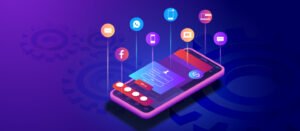
- In addition, Mobile Marketing is gaining importance due to the massive use of smartphones. This includes SMS campaigns, WhatsApp promotions, push notifications, and mobile-friendly advertisements. Food delivery apps like Swiggy and Zomato are great examples—they send instant notifications such as “Get 30% off on your next order,” which immediately grabs attention and drives action.
-
Video marketing

- Another dominant channel is Video Marketing, which is one of the most engaging forms of content. Businesses use videos for product demonstrations, customer testimonials, explainer animations, and ad campaigns. Platforms like YouTube, TikTok, and Instagram Reels make video marketing highly effective. For example, Apple’s iPhone launch ads use cinematic storytelling to create excitement and influence purchase decisions.
-
Advantages of Digital Marketing
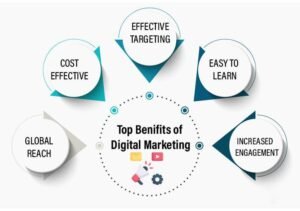
Cost effective
One of the biggest advantages of digital marketing is that it is cost-effective compared to traditional advertising methods. Running a TV commercial or printing ads in newspapers can cost lakhs of rupees, which small businesses cannot afford. Digital marketing, however, allows even small shops or startups to advertise within their budget. For example, a small bakery in Calicut can run Facebook ads for just a few hundred rupees and still reach thousands of local people. This flexibility makes digital marketing accessible to businesses of all sizes.
Global as well as local

Another major benefit is its global as well as local reach. Unlike traditional marketing, which is often limited to a specific geographic area, digital marketing has no boundaries. A business can promote its products to anyone across the world through websites and social media platforms. At the same time, it can also focus on nearby customers using local SEO strategies. For instance, a clothing store can target customers searching for “fashion boutiques near me,” while an online brand can sell its products internationally through e-commerce platforms.
Measurable and trackable
Digital marketing is also highly measurable and trackable, giving it a powerful advantage over traditional methods. With advanced tools like Google Analytics, Facebook Insights, and email campaign trackers, businesses can monitor every step of the customer journey — from the number of people who viewed an ad, to those who clicked on it, and finally, to those who completed a purchase.
This level of transparency and precision was nearly impossible with traditional advertising channels like newspaper ads or billboards, where success was mostly based on assumptions. Now, businesses can clearly see which campaigns are performing best, which audiences are most engaged, and which strategies need improvement.
The ability to track performance in real time not only helps companies understand customer behavior better but also enables them to make quick adjustments, optimize campaigns, and maximize return on investment. In short, measurable results transform digital marketing into a smarter, more cost-effective approach that drives consistent growth.
Target approach

Another key advantage is the targeted approach. Instead of sending one message to a broad audience, digital marketing allows businesses to reach the right people based on their interests, age, gender, income, or online habits. For example, a sports brand can advertise only to young adults who are interested in fitness and gym activities. This precision reduces wasted effort and ensures that marketing money is spent effectively.
Better engagement and interaction
Digital marketing also ensures better engagement and meaningful interaction with customers. Unlike traditional advertising, which is one-way communication, digital platforms encourage active participation. Through social media channels, customers can like, comment, share, or even send direct messages to a brand within seconds.
This creates a strong sense of two-way communication, where customers feel heard and valued. For example, when a company responds quickly to a query on Instagram, Facebook, or Twitter (X), it not only solves a customer’s problem but also builds trust and credibility.
Over time, these consistent and genuine interactions help strengthen brand loyalty. Customers who feel connected to a brand are more likely to return, recommend it to friends, and even become brand advocates — willingly promoting the business through word of mouth and social sharing. This kind of engagement is priceless, as it turns satisfied customers into the most powerful marketers a brand can have.
24/7 Availability and real time flexibility

One of the most powerful advantages of digital marketing is its 24/7 availability and real-time flexibility. Unlike traditional marketing channels, a website, online store, or social media campaign never sleeps. Customers can browse products, compare prices, place orders, or send inquiries at any time of the day or night, without restrictions.
For businesses, this means unparalleled control. If a campaign is underperforming, it can be paused instantly, adjusted with new strategies, or replaced with a better one — all within minutes. This real-time adaptability not only saves valuable time and money but also ensures that marketing efforts are always optimized for maximum results.
Ultimately, digital marketing empowers businesses to stay connected with customers around the clock, build stronger relationships, and continuously improve performance for sustained growth.
Disadvantages of Digital Marketing
High level of competition
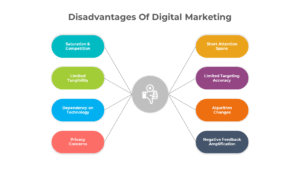
- Despite its numerous benefits, digital marketing also comes with certain disadvantages. One of the biggest challenges is the high level of competition. Since digital marketing is cost-effective and widely accessible, almost every business—big or small—is trying to reach the same audience online. This makes it difficult for new or small businesses to stand out unless they come up with highly creative and unique campaigns. For example, competing with global brands in Google Ads can be tough for a local business because big companies can outbid them with larger budgets.
Dependent on technology and the internet
- Another drawback is that digital marketing is highly dependent on technology and the internet. Without a stable internet connection, businesses cannot run campaigns or reach their customers. Similarly, technical issues like website crashes, broken links, or poor mobile optimization can create a negative experience for users and result in lost sales.
Negative feedback and online reputation damage
- A critical disadvantage of digital marketing is the risk of negative feedback and online reputation damage. In the digital world, customers can instantly share their experiences through reviews, comments, or social media posts. While positive feedback helps a brand grow, negative comments can spread quickly and harm the brand’s reputation. For example, a single bad review on Google or a viral tweet criticizing poor service can drive away potential customers. To overcome this challenge, businesses using digital marketing need to constantly monitor and manage their online reputation.
Continuous updates and monitoring
- Digital marketing also requires continuous updates and monitoring. Trends, algorithms, and customer preferences change rapidly. What works today may not work tomorrow. For instance, a Facebook advertising strategy that brought good results last year may not be effective this year because of algorithm changes. To succeed in digital marketing, businesses must constantly adapt, which requires time, effort, and knowledge.
Privacy and security concerns.

- Finally, digital marketing also poses significant privacy and security concerns. In today’s online environment, customers are increasingly cautious about how their personal data is collected, stored, and used by companies. Mishandling sensitive information, sending too many promotional emails, or using data without proper consent can quickly create distrust and negatively impact customer relationships. Moreover, serious issues such as cyberattacks, hacking, phishing, or large-scale data leaks can damage customer confidence and cause long-term harm to a business. Since digital marketing relies heavily on customer data for personalization and targeting, businesses must prioritize strong cybersecurity measures, transparent privacy policies, and responsible data practices. By ensuring ethical and secure use of customer information, companies can build trust while still leveraging the full potential of digital marketing to grow and compete in the digital era.
Conclusion
Digital marketing has revolutionized how businesses connect with their audience, offering unmatched opportunities to promote products, services, and brands globally and locally. It enables targeted, measurable, and cost-effective campaigns, while fostering interactive engagement with customers. Though challenges like high competition, technology dependency, and constant monitoring exist, a well-executed digital marketing strategy can boost brand visibility, drive traffic, increase sales, and build long-lasting customer relationships. Businesses that embrace digital marketing creatively and responsibly are better positioned for sustainable growth and to stay ahead in today’s competitive digital landscape.